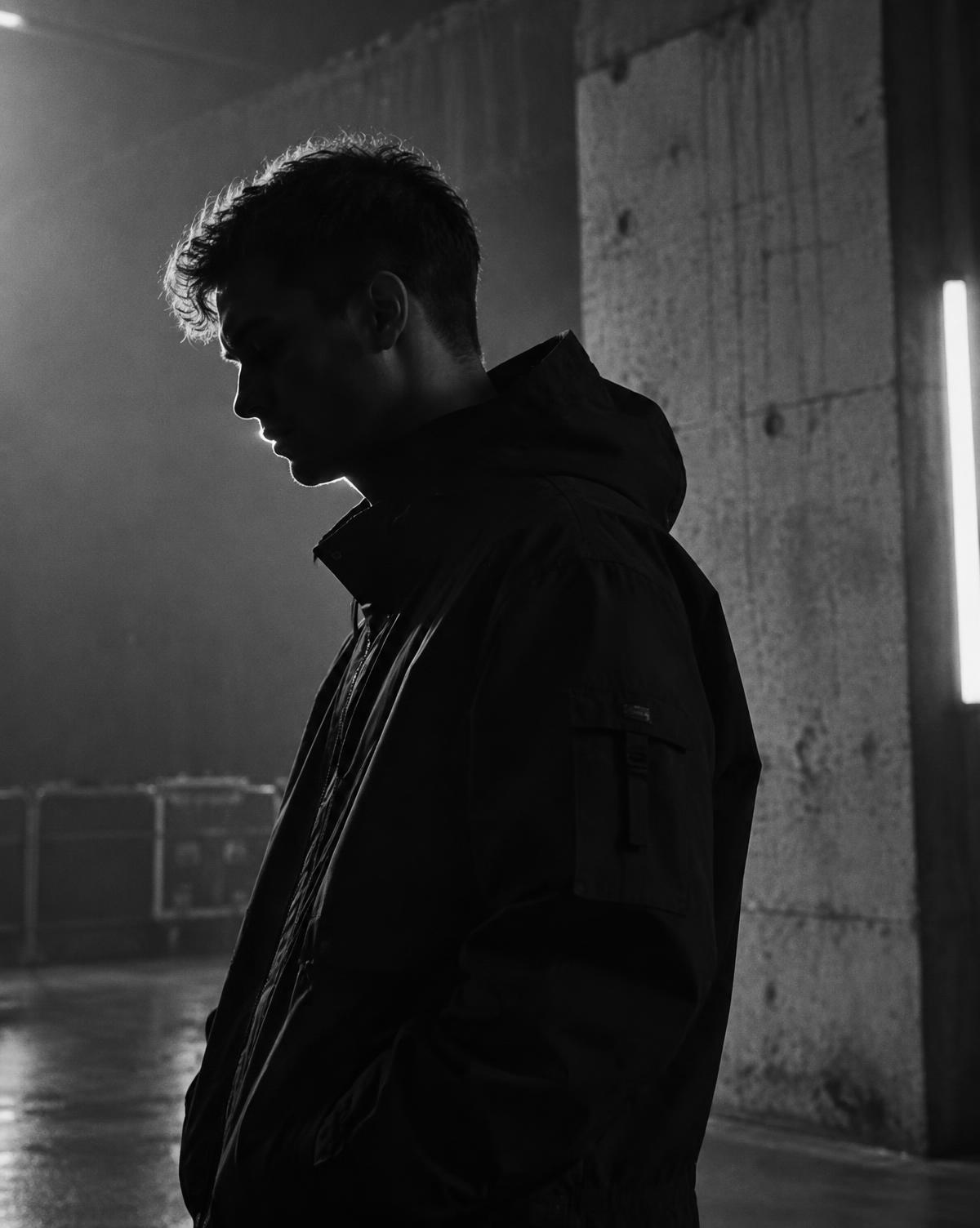
Vinyl was expensive. Every record had to earn its place in the bag, and that taught the lesson that still shapes every set: the choice of music matters more than anything else. Anyone can be taught to blend two tracks. Knowing which track comes next, and why, is the part nobody can hand you.
The first gigs were in small bars with no dancefloor. Then, months later, came the invitation to a first residency, in a bar with a dancefloor. Playing every style of music gave BDJA a rare flexibility, and one clear ambition that never left: to see the whole floor dancing.
The next step was bigger. After that residency came an invitation to play a nightclub. The crowd followed, and one by one BDJA became resident at all three clubs in town, one at a time.
The sound of those years was shaped by the tribal rhythms of French house. Percussion that pulls a room together, grooves that build and don’t let go. That is where the love of rhythm that drives BDJA today was born.
Soon the invitations came from clubs and parties all over the country. Then, in 2007, BDJA stepped away. The shine of the night had faded, and so had the desire to be part of it. For years, the decks stayed silent.
Years later, BDJA lost his sight. The world changed shape, and so did the way music reached him. Sound stopped being one sense among many and became the main one.
The desire to mix returned only recently, brought back by accessibility technology. Tools that once didn’t exist now make it possible to do by ear, and by feel, what used to be done with eyes on the records.
That is where Blind DJ Anthems comes from. Not from a loss, but from a return: the same love of the groove and the floor, found again through sound alone.